Shopping Cart (0)
Shopping cart is empty
For free delivery are missing -,--
Free delivery!
Order Summary
Sum 0 €
Price includes discounts
FREE DELIVERY FROM PLN 300 IN POLAND
Sign up for the newsletter at the bottom of the page and receive a 5% discount on your first purchase.

How to care for silk? A guide to caring for silk scarves and shawls.
2025-07-29 15:44:00Do you also love the classic silk? If so, we'll tell you how to care for it...
Mulberry silk is one of the most refined fabrics in the world – light, delicate, naturally lustrous, and incredibly pleasant to the touch. That's why silk scarves and shawls, as well as clothing, enjoy enduring popularity among those who value quality and elegance. However, to ensure these luxurious accessories and clothing last for years, it's important to know how to care for silk – especially how to properly wash and store this delicate material.
Washing Silk – Why Does It Require Special Care?
Silk is a natural fabric made from animal fibers – specifically, from silkworm cocoons. Although durable for its light weight, its structure is susceptible to mechanical and chemical damage. Improperly washing silk, such as machine washing at high temperatures or using harsh detergents, can lead to loss of luster, stiffness, and even permanent damage. That's why it's so important to learn how to wash and iron silk and what mistakes to avoid to keep our silk accessories and clothing looking new for years to come.

How to wash hand-painted scarves?
Delicate fabrics made of silk, especially hand-painted scarves and shawls, require exceptionally gentle care. Here are the most important rules to remember:
- Always hand wash. Never dry clean or machine wash a silk scarf, even on the "delicate" cycle. Washing it automatically can damage the pattern or distort the fabric.
- Use lukewarm water (water temperature approximately 20-30°C). Water that's too hot can cause the silk to shrink.
- Use a mild detergent designed for delicate fabrics, preferably without enzymes or bleach. A liquid detergent for wool, silk, or children's clothing is also a good choice. Baby soap or natural hair shampoo will also work well, as silk fabric has a similar structure to human hair.
- Do not rub or wring the fabric to remove excess water. Gently immerse the scarf in water and gently move it with your hand. After a few minutes, rinse it in clean water.
- You can add a few drops of vinegar or lemon juice to the final rinse to help preserve the color vibrancy. - It's also important to remember that silk doesn't like soaking, so washing shouldn't take longer than four minutes. Wet silk loses its elasticity and strength and is more easily damaged.
Mulberry silk is one of the most refined fabrics in the world – light, delicate, naturally lustrous, and incredibly pleasant to the touch. That's why silk scarves and shawls, as well as clothing, enjoy enduring popularity among those who value quality and elegance. However, to ensure these luxurious accessories and clothing last for years, it's important to know how to care for silk – especially how to properly wash and store this delicate material.
Washing Silk – Why Does It Require Special Care?
Silk is a natural fabric made from animal fibers – specifically, from silkworm cocoons. Although durable for its light weight, its structure is susceptible to mechanical and chemical damage. Improperly washing silk, such as machine washing at high temperatures or using harsh detergents, can lead to loss of luster, stiffness, and even permanent damage. That's why it's so important to learn how to wash and iron silk and what mistakes to avoid to keep our silk accessories and clothing looking new for years to come.
How to wash hand-painted scarves?
Delicate fabrics made of silk, especially hand-painted scarves and shawls, require exceptionally gentle care. Here are the most important rules to remember:
- Always hand wash. Never dry clean or machine wash a silk scarf, even on the "delicate" cycle. Washing it automatically can damage the pattern or distort the fabric.
- Use lukewarm water (water temperature approximately 20-30°C). Water that's too hot can cause the silk to shrink.
- Use a mild detergent designed for delicate fabrics, preferably without enzymes or bleach. A liquid detergent for wool, silk, or children's clothing is also a good choice. Baby soap or natural hair shampoo will also work well, as silk fabric has a similar structure to human hair.
- Do not rub or wring the fabric to remove excess water. Gently immerse the scarf in water and gently move it with your hand. After a few minutes, rinse it in clean water.
- You can add a few drops of vinegar or lemon juice to the final rinse to help preserve the color vibrancy. - It's also important to remember that silk doesn't like soaking, so washing shouldn't take longer than four minutes. Wet silk loses its elasticity and strength and is more easily damaged.
How to dry and iron silk?
After washing, do not wring the scarf. Instead, gently squeeze out the water by placing it between two soft towels and pressing lightly. Then, lay the scarf flat on a dry towel or hang it on a wide hanger with rounded edges. Do not dry silk in a dryer, in direct sunlight, or on a radiator – sunlight and high temperatures can cause the fabric to yellow or dull its shine. It's best to iron silk inside out, through a thin cotton cloth, at a low temperature (maximum 110°C). If the fabric creases badly, you can lightly spray it with water, but never directly – the steam from the iron is perfectly sufficient. Be careful to avoid burning.
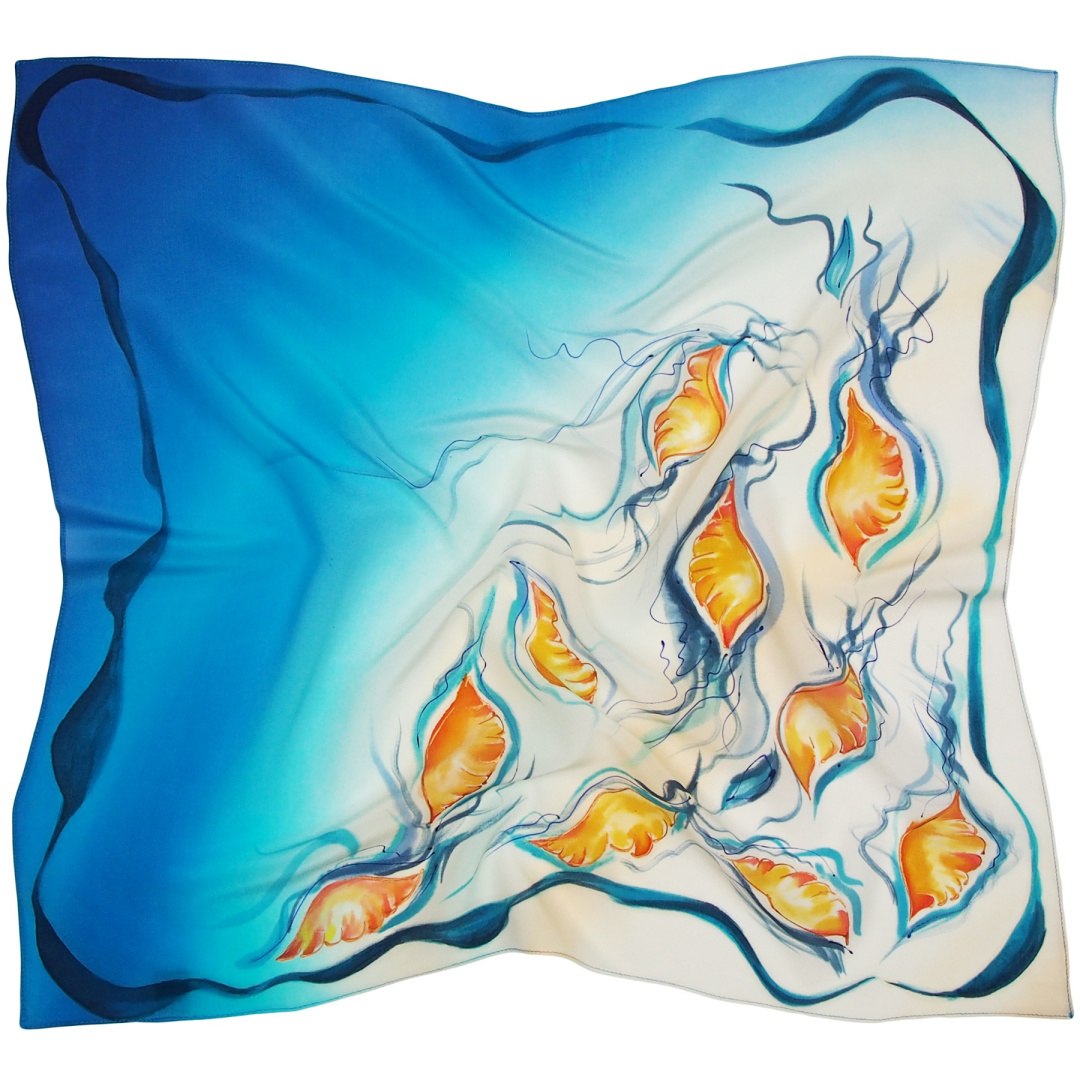

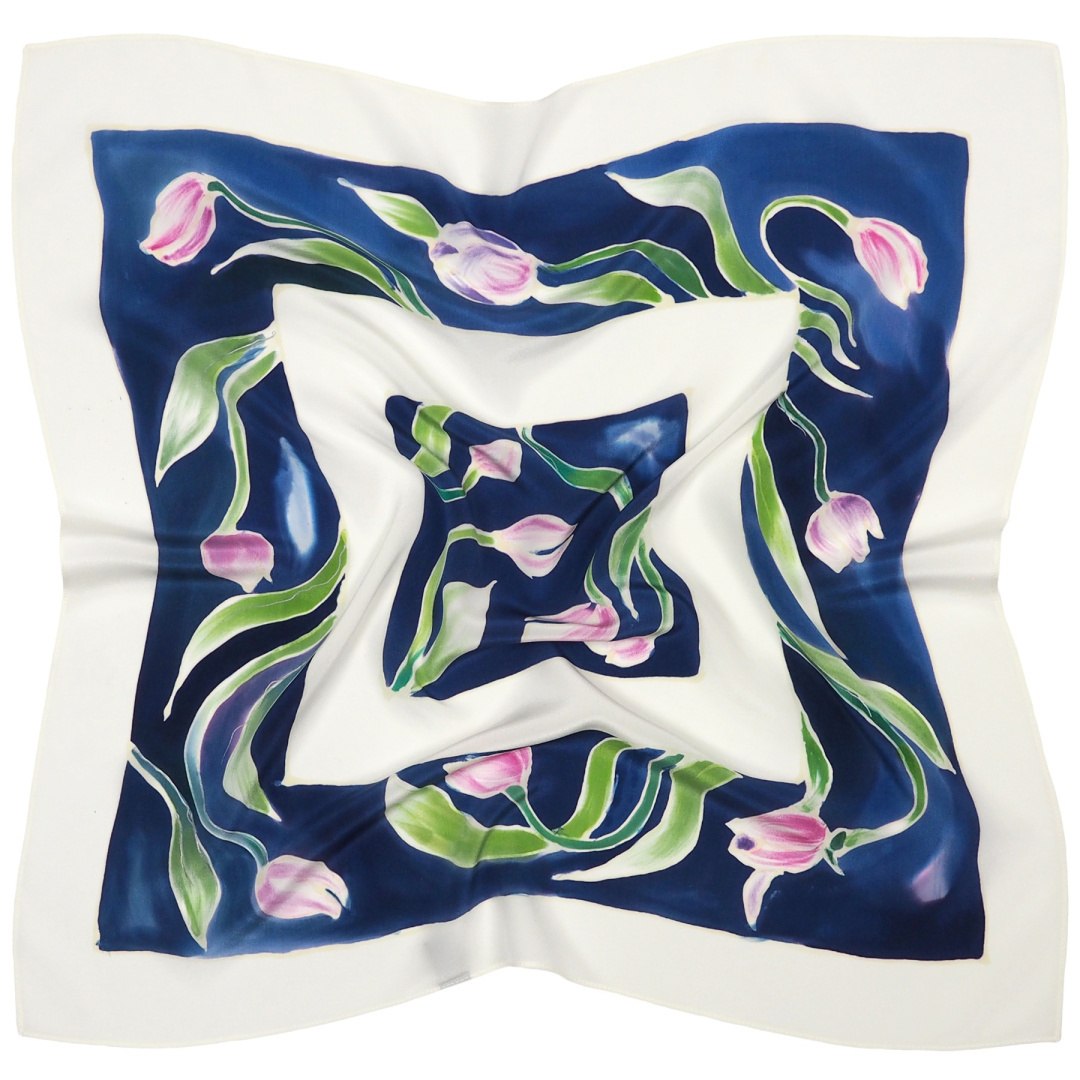
How to store natural silk?
It's best to store and dry silk items flat in a drawer or loosely folded in a box, away from sunlight and moisture. Scarves and shawls should not be tied in tight knots or stored in plastic bags, which can retain moisture and promote yellowing. It's also a good idea to air out silk scarves and shawls periodically and avoid spraying them with perfume – the alcohol in cosmetics can damage the fabric or leave permanent discoloration.
Why is it worth caring for silk?
Proper care not only keeps scarves and shawls looking new longer, but also retains their unique properties:
- natural thermoregulation (cooling in summer, warming in winter),
- lightness and softness, yet durability,
- a luxurious look that never goes out of style.
By investing in high-quality silk, you're investing in a classic piece that won't lose its value. However, even the most beautiful fabric won't last if it's not treated with proper care. Therefore, knowing how to wash and store silk at home is key to the longevity of your favorite accessories.
Do you have scarves from Milanówek and want them to last for years? Remember these care tips and implement them – your wardrobe will surely thank you! And you'll be receiving compliments for your impeccable style.
Author:A.S.